The Definitive Guide to Mastering Timepieces
The Art of Precision A Collector's Masterguide to High Horology
In the realm of luxury goods, few items possess the historical weight, mechanical complexity, and personal significance of a high-quality wristwatch. Far beyond merely telling time, a timepiece is an extension of one’s identity, a miniature work of art forged from precision engineering and exquisite materials. To own a great watch is to own a piece of wearable history—a commitment to craftsmanship that spans centuries.
For the discerning enthusiast, understanding horology means delving into mechanics, metallurgy, design philosophy, and, crucially, style. Whether you are acquiring your first automatic chronograph or curating an expansive collection spanning decades, this Replica Cartier Watches definitive guide will illuminate the complexities and nuances required to navigate the world of exquisite timepieces.
Understanding the Architecture of Timekeeping
At its core, a watch is a machine designed for perpetual motion. The sophistication lies in how simple components—gears, springs, escapements, and jewels—are orchestrated into harmonious function.
Mechanical Movements vs. Quartz:
The fundamental distinction lies between mechanical power sources and electrical ones. Quartz watches use a battery to vibrate a crystal at a precise frequency, offering unmatched accuracy and low maintenance. However, true aficionados gravitate towards automatic watches, which are powered by the kinetic energy of the wearer's wrist movement (the rotor). These movements—such as the Swiss ETA or high-grade in-house Caliber movements—are celebrated for their mechanical poetry, visible through exhibition cases, making them both functional instruments and pieces of technical sculpture.
Complications: Adding Layers of Mastery:
The true mark of a highly complex watch is its complication—a function beyond simple time display. Popular complications include the chronograph (stopwatch functionality), the perpetual calendar (tracking months, years, and leap cycles), or the GMT function (displaying multiple time zones). Each complication requires an exponential increase in engineering precision.
The Material Science of Luxury Timepieces
The choice of materials dictates not only a watch's aesthetic appeal but also its longevity and perceived value.
Case Metals: Stainless steel remains the industry workhorse, offering durability and polishability. However, for ultimate luxury, precious metals like yellow gold (richly warm tones), white gold (cool platinum sheen), and platinum (extreme rarity) are preferred. Titanium has emerged as a superb alternative, prized for its exceptional strength-to-weight ratio, making it perfect for dive watches where every gram counts.
Crystal: The sapphire crystal standard is non-negotiable in high horology. It offers superior scratch resistance compared to mineral glass and provides incredible clarity, allowing the wearer to view the dial with perfect definition.
Straps and Bracelets: While luxury brands offer diverse options—from exotic alligator or ostrich leather straps to robust rubber compounds—the metal bracelet is often key to the watch's formality. A solid, well-finished link bracelet conveys an undeniable sense of permanence and quality craftsmanship.
Curating Your Collection Beyond Brand Prestige
While iconic brand names dominate global conversation, true expertise involves understanding value across different segments. The market for affordable but highly accurate timekeepers—which includes discussions surrounding Replica Rolex Watches—is vast. Instead of focusing on imitation, a smarter collector focuses on the function and design DNA.
When exploring options that emulate high-end aesthetics without the prohibitive cost, look at reputable brands that specialize in vintage or mechanical movements but operate on a more accessible scale. Understanding what makes a specific model tick—be it a robust GMT movement or a slim dress complication—allows you to appreciate superior engineering regardless of the brand badge. Focus your research not just on superficial similarities, but on the underlying mechanics and finish quality.
Mastering the Art of Style Pairing
A watch should not merely be worn; it must complement your entire personal ensemble. It is arguably the most critical fashion accessory.
The Dress Watch Dynamic:
For formal occasions—black tie events, board meetings, or gala dinners—the dress watch reigns supreme. These watches are characterized by slim profiles, simple dials (often just hours and minutes), and clean lines. They demand a tailored suit and polished leather accessories. The goal is subtlety; the timepiece should be an elegant accent, not a statement of brute power.
The Sport Watch Dynamic:
Sport watches—dive watches, chronographs, field watches—are built for performance and resilience. Their robust cases, high legibility dials, and durable straps make them perfect for daily wear or adventurous excursions. These pieces pair beautifully with smart-casual attire: fine denim, structured blazers, or even technical outerwear. The watch itself provides a casual, sporty edge to an otherwise sophisticated outfit.
The Modern Pairing Tip (Metal Matching):
When pairing your timepiece, try to harmonize the metal tones between your watch and other accessories. If Replica Omega Watches you wear a stainless steel belt buckle, opt for a watch with polished steel links or a case that complements cool silver tones. Similarly, if your attire incorporates significant gold accents (cufflinks, pocket squares), choosing a warm-toned gold watch will create an immediate visual harmony.
Deep Dive Comparison Models and Wear Experience
To illustrate the concept of stylistic choice, let’s compare three archetypal watches:
The Icon Chronograph (e.g., Speedmaster style): A testament to robust utility. Its chronograph function gives it mechanical depth, while its visible buttons and crown reinforce its athletic heritage. It pairs best with smart-casual outfits—jeans, knitwear, and structured blazers. Wear Experience: Feels authoritative and durable; the mechanical complexity is satisfyingly tangible on the wrist.
The Ultra-Luxury Dress Watch (e.g., Jaeger-LeCoultre Master Collection): A study in minimalism. Its thin profile and often understated dial scream refinement. It demands a high level of tailoring—a bespoke suit or tuxedo. Wear Experience: Effortless elegance; it feels almost invisible until the light catches its perfect finish, conveying quiet confidence.
The Dive Watch (e.g., Professional Titanium Diver): A rugged powerhouse designed for deep pressure. Its unidirectional bezel Replica Hermes Watches For Sale and high legibility markers are functional necessities. It pairs with everything from technical parkas to crisp linen shirts. Wear Experience: Feels weighty and supremely capable; it is the ultimate all-day wearer that refuses to look out of place. 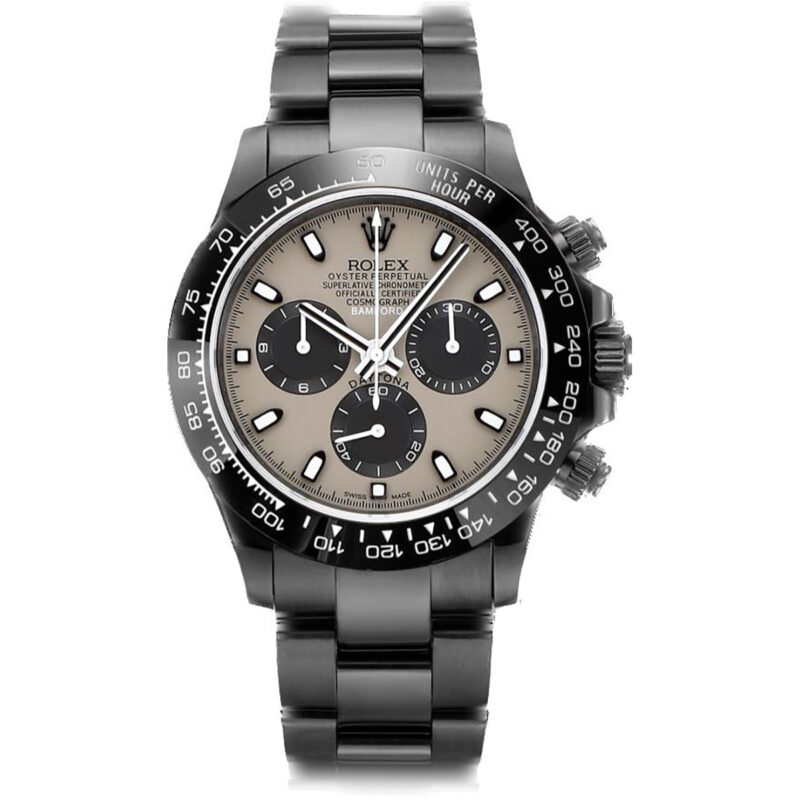
Conclusion: The Personal Narrative on Your Wrist
A watch is far more than a collection of gears and jewels. It is a personal narrative—a reflection of your passions, your journey, and your taste. Whether you are drawn to the visible complexity of a chronograph or the quiet dignity of a minimalist dress piece, understanding the mechanics, materials, and styling implications allows you to make an informed decision that transcends mere brand allegiance. Invest in knowledge; it is the ultimate key to appreciating the true genius of horology.
Frequently Asked Questions About Luxury Watch Buying
Q: What should I consider when buying a first luxury watch?
A: Start by defining your primary usage scenario. Do you need it for daily rugged use (consider a dive or field watch)? Or is it primarily for formal occasions (opt for a dress watch)? Consider the movement type; if mechanical complexity interests you, an automatic is recommended.
Q: How do I clean my metal bracelet without damaging it?
A: For most metal bracelets, a mix of mild dish soap and lukewarm water is sufficient. Use Replica Blancpain Watches soft, non-abrasive cloths (like microfiber) and avoid harsh chemical cleaners or soaking for extended periods. If the metal is gold, professional polishing is recommended periodically.
Q: Is the size of my wrist truly important when choosing a watch?
A: Yes, but not just in terms of diameter. You must consider lug width (the part of the case that meets your wrist) and overall thickness. A very thick or wide watch can look disproportionate on a smaller wrist, regardless of its dial size. Always try watches on if possible.
Q: Should I worry about the "value retention" of my purchase?
A: While some collectors focus heavily on resale value (often Cheap Replica Konstantin Chaykin Watches favoring specific Rolex models), remember that the most valuable aspect of a timepiece is personal connection and aesthetic fit. If you love it, its emotional value far exceeds any fluctuating market price.
Where you can buy best replica watches with high quality : Replica Rolex Watches Online